




They’re everywhere—gas stations, airport kiosks, dollar stores. A charging cable for a couple of bucks feels like a no-brainer. But that bargain price tag can hide some serious consequences for your devices, your safety, and even your wallet.
Device Damage You Won’t See Coming
Cheap cables often lack proper voltage regulation and shielding. That means the power flowing into your phone, tablet, or laptop can fluctuate unpredictably. Over time, these surges degrade your battery’s health, reduce its capacity, and shorten the overall lifespan of the device. A cable that costs a few dollars today could quietly contribute to a battery replacement—or a new device—months down the road.

Many budget cables also fail to meet USB-IF certification standards. Without proper data-line resistors, they can confuse your device’s charging logic, leading to slow charging, overheating, or intermittent connections that wear out your charging port.
The Fire and Safety Risk Is Real
Consumer safety agencies around the world have documented cases of fires, burns, and electrical shocks linked to substandard charging accessories. Poor insulation, thin gauge wiring, and the absence of overcurrent protection create a recipe for dangerous overheating—especially during overnight charging.
Cheaply-made cables may look identical to quality products on the outside, but internally they cut every corner possible. When a cable’s shielding fails, it can arc, melt, or ignite nearby materials. The risk compounds with fast-charging protocols like USB Power Delivery, where higher wattages demand cables built to genuinely handle the load.

The False Savings
Budget cables break. A fraying connector, a cord that only charges at certain angles, a cable that stops working altogether after a few weeks—these are familiar frustrations. When you factor in repeat purchases, the cumulative cost often exceeds what a single quality cable would have cost from the start.
Then there’s the environmental toll. Each discarded cable adds plastic, copper, and electronic waste to landfills. Choosing a durable, well-built cable isn’t just smarter for your budget—it’s better for the planet.
What to Look for in a Charging Cable
Not all cables are created equal, and price alone isn’t always the indicator. Here are the things that separate a trustworthy cable from a risky one: proper certification (look for USB-IF or MFi marks), quality conductor materials, robust strain relief at the connectors, appropriate wire gauge for the power levels being delivered, and transparent specs from the manufacturer.

A well-engineered cable should also be tested to withstand thousands of bend cycles and plug-unplug events—the kind of real-world stress that cheap cables simply aren’t designed to survive.
A Better Alternative: Built Right, Built to Last
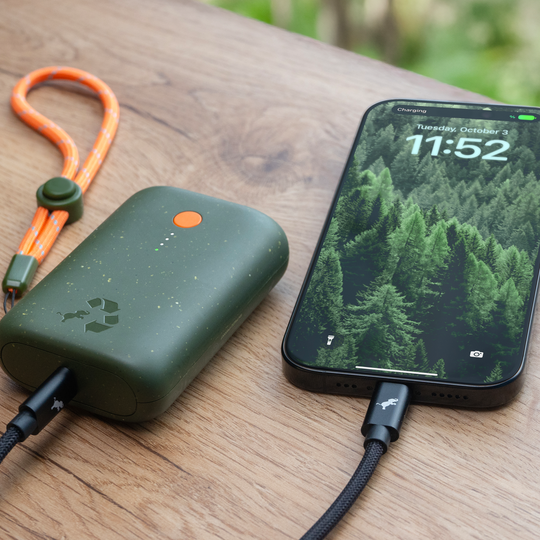
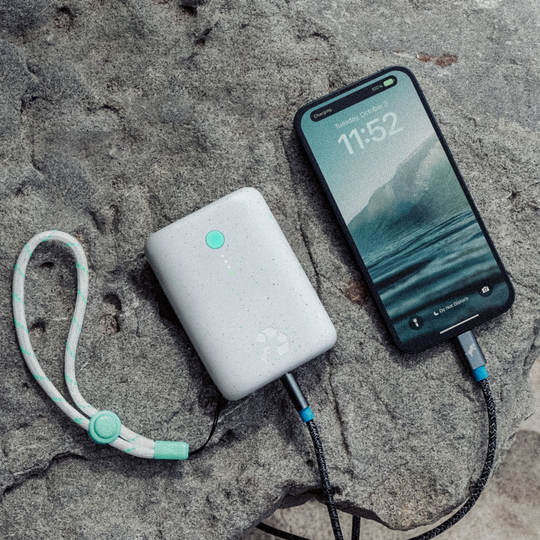
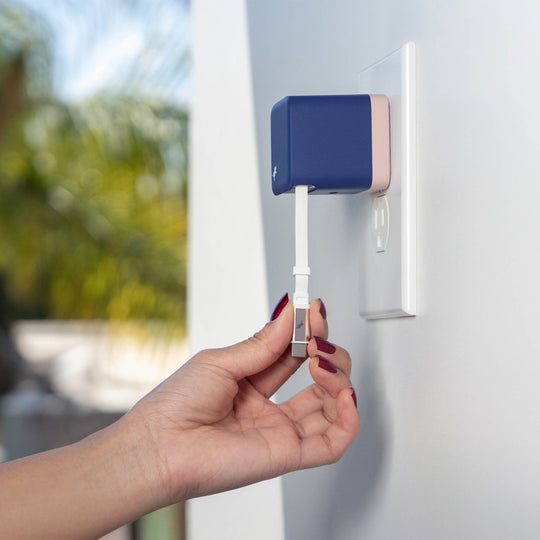
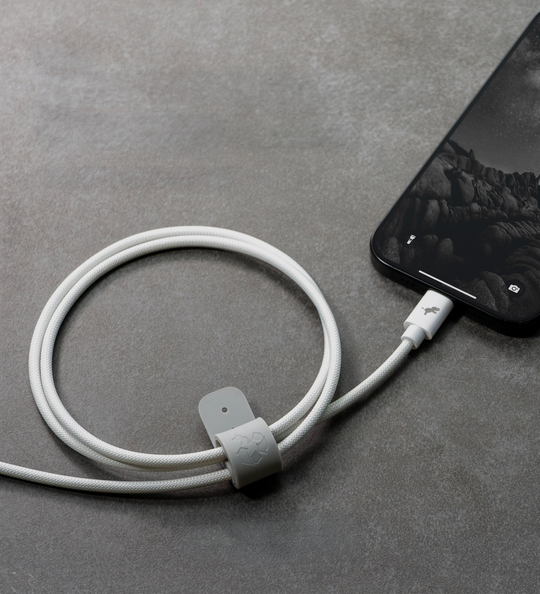
At Nimble, we design our cables with exactly these principles in mind. Every Nimble cable is built with premium materials, rigorously tested for durability and safety, and backed by certifications you can trust. Our commitment to sustainability means you’re also choosing a product made with recycled and responsibly sourced materials—because doing right by your devices and the planet shouldn’t be mutually exclusive.
Explore the full lineup of Nimble charging cables and make the switch to cables that are engineered to protect what matters most.


